Electronic installation sculpture already started to appear in the 60s. The 1968 Museum of Modern Art exhibition, The Machine as Seen at the End of the Mechanical Age , summed up an entire epoch and pointed towards the new electronic era ahead. The curator, Pontus Hulten, meant the exhibition to be a cultural response, to herald what he saw as the transitional movement from the machine-age culture of a manufacturing society based on machines as the 'muscle' of industry, to an electronic information society based on instant communication services.
The exhibition comprised artwork that either commented on technology, used the machine itself as iconography, made use of machines as valid working parts, or showed the machine aesthetic as part of style. The exhibition included recent electronic works by Nam June Paik and Robert Breer. Although the new electronic tools used by these artists were still in their infancy, the potential of incorporating video, computers, sound and light, was enormous. Artists were attracted to this new medium because of the conceptual and visual properties it offered. Not only did it offer unique capabilities for recording and transforming imagery, but artists could also combine video with other art forms thereby creating installation pieces.
An Electronic Laager Chapter 3, Video Art.
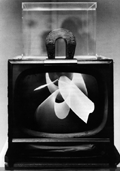
Nam June Paik. Magnet TV , 1965.
(Hannardt 1993: 70)
Radar dish

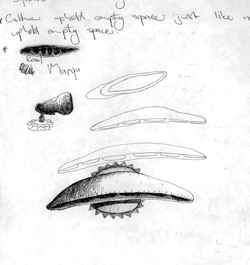
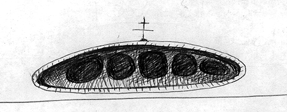
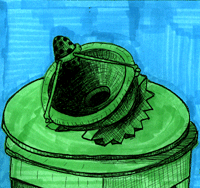
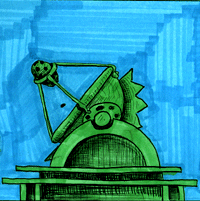
Satelite dish
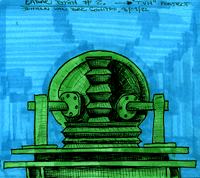
Helipad
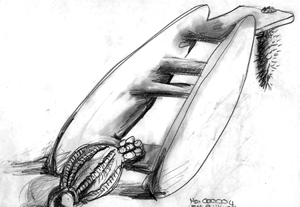
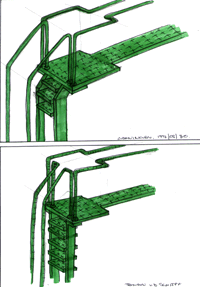
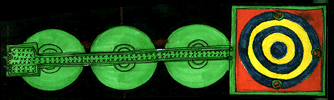
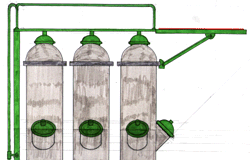

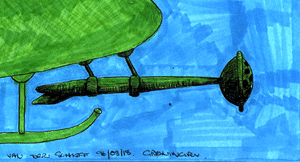
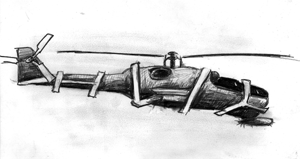
Helicopter
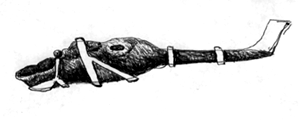
Farming machinery
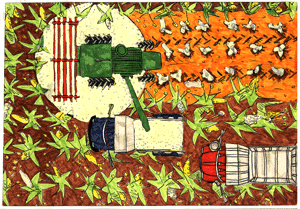


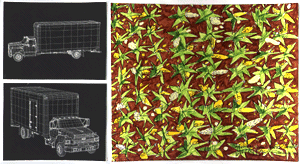
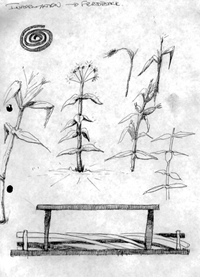
Maizeplant

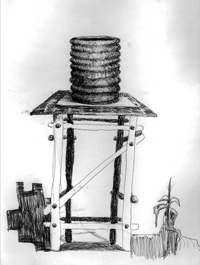
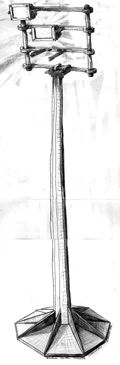
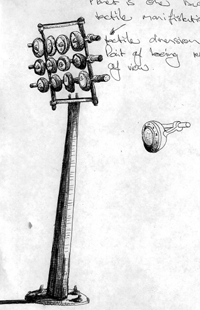
Light pylon
Billboard
TV tower
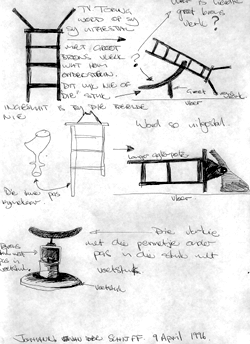
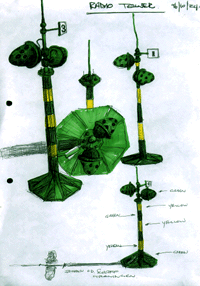
Radio tower
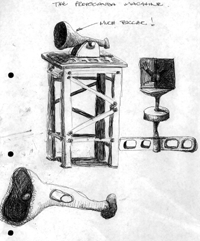
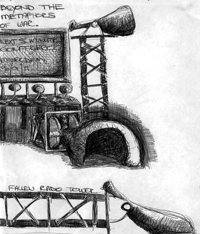
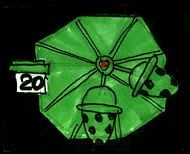
Storybord
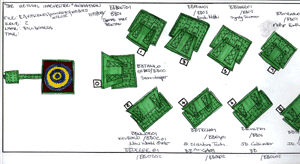
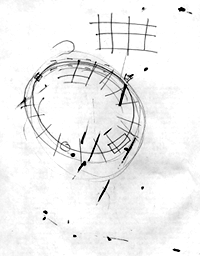
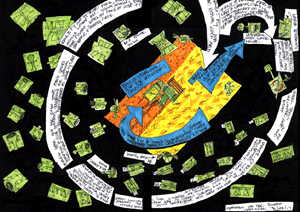
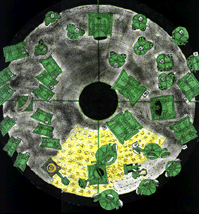
Exhibition layout
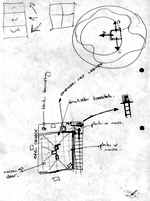
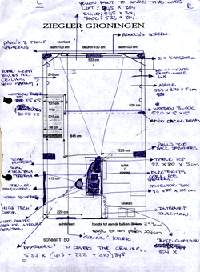
Interface
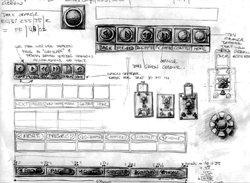
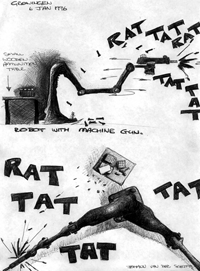
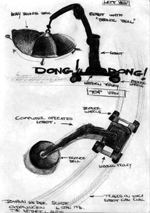
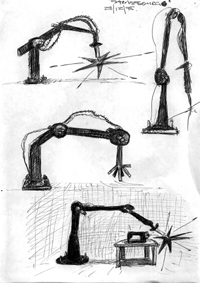
Robot
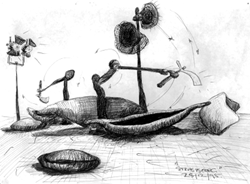
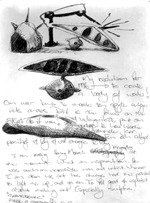
More objects